Skip to content

Myopia Management for Children in [location='city']

If your child’s nearsightedness continues to worsen, updating their glasses is not the only option.

Pacific Eye Care Doctors of Optometry offers myopia management to help slow the progression of nearsightedness as children grow, with treatment and monitoring tailored to their individual needs.

A little girl wearing a yellow beanie is being hugged by a woman, and both are smiling.

Why Is Managing Your Child’s Nearsightedness Important?

Myopia, or nearsightedness, causes distant objects to appear blurry. It often begins during childhood and can continue progressing while the eyes are growing.

Higher levels of myopia are associated with an increased lifetime risk of certain eye conditions, including retinal problems, glaucoma, and myopic macular changes.

Myopia management focuses on slowing that progression while providing the clear vision your child needs today.

What is Myopia Management?

Myopia management is an ongoing approach designed to help slow the progression of nearsightedness in children and teens.

At Pacific Eye Care Doctors of Optometry, we evaluate your child’s prescription, eye health, vision needs, and other relevant factors before recommending an appropriate management option. Regular follow-up visits allow us to monitor changes as your child grows.

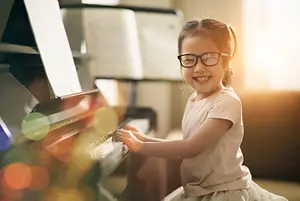
A young girl with glasses playing a piano with books and a music stand in the background

Signs Your Child May Be Nearsighted

Children do not always realize their distance vision has changed. Signs of myopia may include:

  • Squinting to see distant objects
  • Difficulty seeing the board at school
  • Sitting closer to the television or other distant displays
  • Holding screens or reading material very close
  • Complaints of blurry distance vision
  • Headaches or eye strain during visual tasks

If you have noticed changes in your child’s vision, a comprehensive eye exam can determine whether myopia is present and how it is progressing.

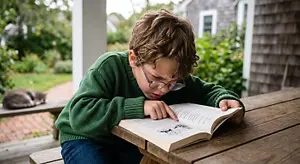
A young boy wearing glasses is sitting on a wooden bench and reading a book with both hands on the table

Myopia & Long-Term Eye Health

Myopia changes more than a glasses prescription. As the eye grows longer, higher levels of myopia are associated with greater risks to eye health later in life.

This is one reason regular monitoring matters. Tracking your child’s vision over time allows our optometrists to identify progression and discuss whether myopia management may be appropriate.

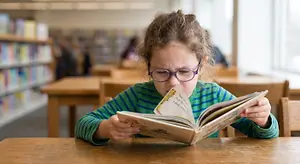
A young girl wearing glasses is reading a book in a library with a serious expression on her face

Treatment with Myopia Management

The goal of myopia management is to help slow how quickly nearsightedness progresses. Treatment does not eliminate myopia, and children will still need appropriate vision correction.

Depending on your child’s age, prescription, eye health, and individual needs, management may include options such as specialty contact lenses, orthokeratology (Ortho-K), or other evidence-based approaches offered by our practice.

Regular follow-up is an important part of treatment. We monitor how your child’s eyes change and adjust the management plan when appropriate.

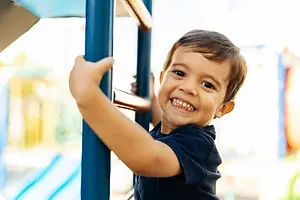
A smiling boy with braces is holding onto a blue bar on a playground equipment in an outdoor area.

How Do I Know If My Child Needs Myopia Management?

Not every child with nearsightedness needs the same approach. Myopia management may be worth discussing if your child’s prescription continues to increase or if they developed myopia at a younger age.

At Pacific Eye Care Doctors of Optometry, we evaluate your child’s vision, prescription history, eye health, and individual risk factors to determine whether myopia management may be appropriate.

What to Expect From Myopia Management 

Myopia management is an ongoing program rather than a one-time treatment.

We begin with a detailed evaluation of your child’s vision, prescription history, eye health, and relevant lifestyle factors. If treatment is appropriate, we explain the available options and recommend an approach based on your child’s individual needs.

Follow-up visits allow us to monitor changes and determine whether adjustments are needed over time.

A child is lying on a bed with white sheets and pillows, smiling and covering his mouth with his hand. The bed has a wooden headboard and the child's shadow falls on the bed. The room is illuminated by sunlight.

What Can Increase a Child’s Risk of Myopia?

Several factors can influence whether a child develops myopia and how it progresses.

Genetic Factors

Having parents who are also nearsighted increases risk.

Age

Developing myopia before 12 years old significantly increases risk of severe myopia.

Daily Habits

Spending too much time on digital screens and reading books can strain the eyes, increasing risk of nearsightedness.

FAQ | Understanding Myopia Management

Book your myopia consultation today in Huntington Beach

Protect your child’s long-term vision and eye health. Contact our Huntington Beach optometry team about myopia management at Pacific Eye Care Doctors of Optometry today!