
After a corneal transplant, patients tend to require unique contact lenses in order to achieve clear and comfortable vision.
Post Corneal Transplant & Custom Contact Lenses In Huntington Beach, California
Two Common Types of Corneal Transplants
Corneal transplants have two main categories: Penetrating keratoplasty (PK) and Endothelial Keratoplasty (EK).
Why is a Corneal Transplant is Performed?
A corneal transplant is recommended for those who have:
- Vision problems caused by the thinning of the cornea, generally due to keratoconus (this procedure may also be advised when less invasive treatments are not working)
- Scarred cornea caused by severe injuries or infections
- Vision loss caused by cloudiness of the cornea, which typically results from Fuchs dystrophy
Keratoconus (keh-rah-toe-cone-us) is an eye disorder in which the round dome-shaped cornea progressively thins causing a cone-like bulge to develop.
Patients with keratoconus have irregular, cone-shaped corneas, and cannot use glasses to correct vision. The ideal solution, therefore, is scleral contact lenses. They sit on the sclera without touching the cornea, while providing sharpness, clarity and comfort in vision.
Pacific Eye Care Doctors of Optometry provides advanced eye care for keratoconus patients from all over the state of California including Huntington Beach, Seal Beach, Fountain Valley, and Westminster.
Corneal Transplants Treatment & Recovery
Although most people experience successful corneal transplants, it does not entirely cure the eye of the disease. Patients will certainly notice dramatic improvements, but their vision will still need correction.
Recovery from a corneal transplant can last more than a year, as the eye has to adapt to the new cornea. Because this adjustment is unpredictable, nearsightedness or astigmatism may develop, leading the eye doctor to prescribe eyeglasses or contacts to correct one’s vision. Even once the eye has fully healed, prescription glasses or lenses may still be required.

Scleral Lenses & Post-Corneal Transplant Surgery
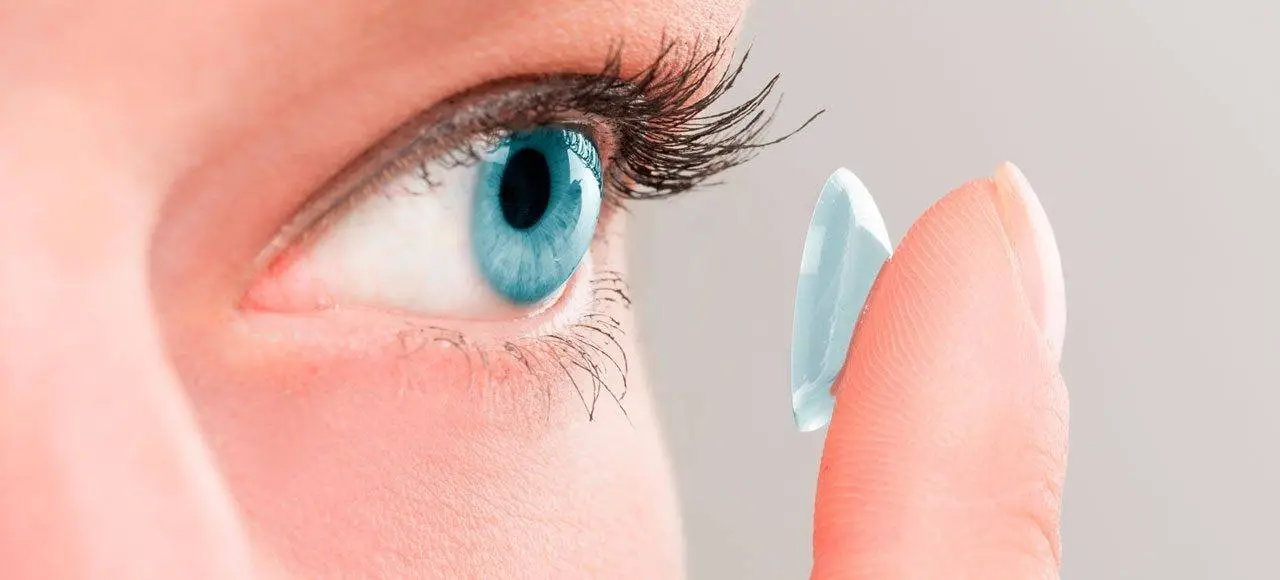
Corneal transplants tend to result in irregular corneas, as the transplant doesn’t fully adapt to the eye. The eye doctor may recommend rigid gas permeable lenses (RGP’s), hybrid contact lenses or scleral lenses to provide you with clear vision and comfort without requiring any further surgery.
Scleral lenses are the optimal choice as the lens vaults entirely over the cornea without adding any pressure to it. After a corneal transplant, the cornea may still be considered irregular and diseased, and the scleral lens allow one’s cornea to remain hydrated while avoiding any risk of scarring.
Serving Patients From:
Huntington Beach | Seal Beach | Fountain Valley | Westminster | and the state of California