
Meibomian gland dysfunction (MGD) is the leading cause of dry eye syndrome. Learn about its symptoms, causes, and treatment options.
Everything You Need to Know About Meibomian Gland Dysfunction
If your eyes itch, burn, sting, look red, or you have a constant feeling of something being lodged in your eye, you may have a condition called Meibomian (“my-BOH-mee-an”) Gland Dysfunction, or MGD. This condition is the leading cause of Dry Eye Syndrome.
Patients from throughout the Huntington Beach area suffering from Meibomian Gland Dysfunction. If you suffer from any of these symptoms or think you might have MGD, contact the Pacific Eye Care Doctors of Optometry. Dr. Walter Yim can help you with the long-term relief you need.
What is Meibomian Gland Dysfunction?
Our tears are made up of three components: the lipid (oil) layer, aqueous (water) layer, and the mucus (sticky) layer. These components work in unison to lubricate and coat the eyes, keeping them moist and comfortable.
Your meibomian glands control the lipids in the eye (meibum) which combine with water and mucus in the eye area to create a thin film that consistently lubricates your eyes. Meibum is an essential part of your eye’s makeup as it prevents the evaporation of the eye’s tear film.
Meibomian Gland Dysfunction occurs when the meibomian glands fail to provide enough meibum. This can be triggered by various factors and causes the tear film to evaporate at a quicker rate, leading the eyes to feel dry and uncomfortable.
What Are the Symptoms of Meibomian Gland Dysfunction?
Depending on your specific case, your symptoms may be mild or severe, quick or long-lasting.
The most common symptoms of MGD include:
- Blurry vision
- Burning and dry sensation
- Difficulty wearing contact lenses
- Watery eyes
- Red, sore and gritty eyes
- Crusty or sticky eyelids
The increased use of air conditioning or heating systems in the summer and winter months may intensify symptoms. Humid climates, extreme temperatures, and dusty and windy conditions may aggravate eye dryness and itchiness as well.
What are the Causes of Meibomian Gland Dysfunction?
- Age: MGD tends to manifest in older people, particularly in women during and after menopause
- Taking certain medications: particularly retinoic acid (acne treatment), HRT (hormone replacement therapy for menopausal women), antidepressants, antihistamines, anti-androgen medication (used to treat prostatic hypertrophy).
- Endocrine disorders
- Pregnancy
- Wearing contact lenses for an extended period of time.
- Immune system disorders: atopic rosacea, psoriasis, rheumatoid arthritis and Sjogren’s syndrome.
Excessive screen time has also been linked to the development of MGD. Staring at a screen on your TV, smartphone, computer or tablet, causes you to blink less frequently. Blinking naturally moisturizes your eyes, and by doing so, clears any small particles that may have accidentally lodged in your eye. Less frequent blinking results in dryer eyes, which can harm the long-term ability of your meibomian glands to function properly.
What are the Solutions for Meibomian Gland Dysfunction?
Treatments for Meibomian Gland Dysfunction range from self-administered or practitioner-administered treatments and typically involve a few methods, such as artificial tears, heat application, and manual gland expression. Dr. Walter Yim usually suggests applying warm compresses over your eyelids as a first course of action. This gently opens the clogged glands and loosens the oil that may have accumulated. Warm compresses can provide temporary relief.
Further therapies used to manage MGD include omega-3 supplementation, topical antibiotics, oral tetracyclines to reduce the level of pro-inflammatory cytokines, corticosteroids, or topical cyclosporine.
People with MGD commonly purchase over-the-counter eye drops to lubricate their eyes. Unfortunately, these drops tend to provide only transient relief, because, without an adequate layer of Meibomian Gland oil, the liquid from the drops simply evaporate off of the eye. Dr. Walter Yim at Pacific Eye Care Doctors of Optometry can recommend the appropriate eye drops or treatment for your dry eye case to improve your eye comfort levels.
Think You Have MGD? We Can Help
If you are suffering from any of the above symptoms or conditions, then reach out to the Pacific Eye Care Doctors of Optometry. Based on the degree of your condition, symptoms, and lifestyle, Dr. Walter Yim will recommend the best course of treatment for you.
Our practice serves patients from Huntington Beach, Seal Beach, Fountain Valley, and Westminster, California and surrounding communities.
“I went to the Pacific Eye Care Doctors of Optometry and everyone there was professional and courteous. Dr. Walter Yim did a thorough evaluation and treatment. I’m happy to say that my eyes feel comfortable and my vision is back to how it was before the condition began.”
Jennifer P. Craig, Yen-Heng Chen, Philip R. K. Turnbull; Prospective Trial of Intense Pulsed Light for the Treatment of Meibomian Gland Dysfunction. Invest. Ophthalmol. Vis. Sci. 2015;56(3):1965-1970. doi: 10.1167/iovs.14-15764.
Find Relief From Dry Eye Symptoms
Schedule an evaluation to discuss your symptoms and the treatment options that may be right for you. Prefer to speak with us? Call 714-464-6686.
Learn More About Dry Eye
Contact lenses can sometimes contribute to dryness or become less comfortable when the eye surface is already irritated. Learn why discomfort happens and when it may be time to reassess your lenses.

Digital Eye Strain and Dry Eye Syndrome
Extended screen use can reduce how often you blink, which may contribute to dryness and visual discomfort. Learn how screen habits and dry eye can overlap.

What Are Dry Eyelids?
Dry, irritated eyelids can have several causes. Learn what may contribute to eyelid dryness and when an eye evaluation may help.
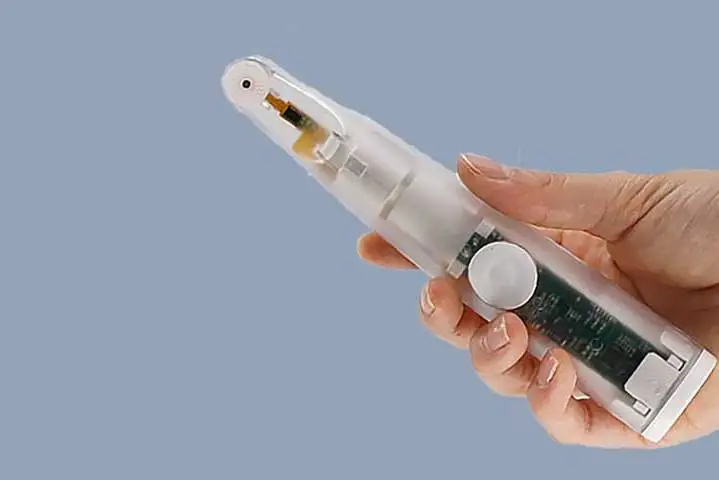
Learn about NuLids and how this eyelid-care technology may be incorporated into treatment for appropriate patients with certain eyelid and dry eye concerns.

Excess Screen Time Can Lead To Dry Eye
Long periods of screen use can affect blinking and eye comfort. Explore practical ways to reduce dryness during computer, phone, and tablet use.

Ocular Rosacea and Dry Eye
Rosacea can affect more than the skin. Learn how ocular rosacea may contribute to eyelid inflammation, irritation, and dry eye symptoms.

Vitamins and Foods That Relieve Dry Eye Syndrome
Learn about the relationship between nutrition and eye health and why dietary changes should be considered as one part of a broader dry eye management plan.
Lagophthalmos and Dry Eye
When the eyelids do not close completely, part of the eye surface can remain exposed. Learn how this can contribute to dryness, particularly during sleep.

Explore how blepharitis affects the eyelids and why managing inflammation and eyelid hygiene can be important for improving ocular surface comfort.

Learn how TearCare is designed to address meibomian gland dysfunction and why healthy oil flow is important for maintaining a stable tear film.

Waking Up With Dry Eyes
Morning dryness can be associated with several factors, including overnight tear-film changes and incomplete eyelid closure. Learn what may be behind the symptoms.

Eye Drops for Dry Eyes
Not every eye drop works the same way. Learn why persistent dry eye symptoms may require an evaluation rather than simply trying another over-the-counter product.

Why Dry Eye Affects More Women Than Men
Hormonal changes and other factors can influence tear production and ocular surface health. Learn why dry eye may become more noticeable at certain times.

When your tear film does not adequately lubricate the surface of your eyes, blinking can become uncomfortable and irritation may persist.

Aging and Dry Eyes
Tear production and tear quality can change with age. Learn why dry eye becomes more common over time and what can be done to manage symptoms.

Dry Eye After LASIK
Temporary dry eye symptoms can occur after refractive surgery. Learn why they happen and when persistent discomfort should be evaluated.