
Dry eye syndrome can have many contributing factors—from overall eye health and medications to daily habits and environment.

What Can Cause Dry Eye?
Dry eye syndrome (DES) is an unpleasant condition where the eyes feel sore, itchy, gritty, and irritated. It can develop as a result of several factors, such as age, genetics, environment, lifestyle, medications, and overall ocular health. Any of these may lead you to either not produce sufficient tears, or to produce tears whose balance of water, lipids, and mucus aren’t sufficient to lubricate your eyes properly.
Fortunately, this condition can be successfully treated. If you think you may have dry eye syndrome, contact Dr. Walter Yim today, who will offer you a proper evaluation and provide you with the best options to treat your DES.
Dry Eye May Develop As a Result of…
Meibomian Gland Dysfunction (MGD)
Meibomian gland dysfunction (MGD) accounts for the majority of cases of dry eye syndrome. It occurs when an abnormality or blockage occurs in the small meibomian glands, which are located in your lower eyelid. This then prevents these tiny glands from producing the lipids needed to maintain the right balance for the optimum quality and functioning of the tears. A shortage of these lipids can cause the tears in your eyes to evaporate too quickly, resulting in dry eyes.
Blepharitis
Blepharitis is an inflammation of the eyelids. The affected area is usually at the very end of the eyelid, located at the base of the eyelashes. This inflammation causes the tips of the eyelid to swell up, appear red and inflamed, and produce infected debris called scurf. If you think you may be suffering from this eye condition and are now seeking effective treatment, contact us today.
Certain medical procedures
Complications from certain medical procedures, including eye surgery and radiation therapy, will very often result in DES. Radiation therapy to treat head and neck cancers, cancer of the eye socket or whole brain radiation for brain cancer, often damages the lacrimal glands. The glands may decrease tear production and cause dry eye symptoms.
This is also true for laser eye surgery, such as LASIK, where DES symptoms may develop due to an increased corneal sensitivity following the surgery.
Cataract surgery does not typically worsen dry eyes, as only two very small incisions, less than 2mm each, are made in the cornea during this operation. They heal quickly after surgery. Many eye doctors will assess and treat dry eyes prior to cataract surgery, as a pre-existing dry eye condition can sometimes influence the accuracy of measurements, affecting quality of the vision following the surgery.
Diabetes
Diabetes can lead to dry eyes because of nerve neuropathy. Essentially, the nerves that control the tear ducts may stop functioning properly, resulting in decreased tear production. Furthermore, diabetes can cause loss of corneal sensitivity, which also impacts dry eye syndrome.
Sjogren’s Syndrome
This is an autoimmune disease that can affect the nerves and prevent the tear ducts from producing a sufficient volume of tears.
Thyroid disorder
The thyroid maintains the body’s hormonal and metabolic balance. Therefore, a malfunctioning thyroid alters the metabolism of the entire body — and your eyes are no exception. Both overactive and underactive thyroid conditions can result in dry eyes.
Certain medications
Several medications may cause a reduction in the functionality of the tear ducts and lead to dry eyes. These include:
- Diuretics
- Decongestants
- Antihistamines
- Anticholinergics
- Antidepressants
- Hormones
- Hypertension medication
- Dermatological agents
- Lortab (acetaminophen and hydrocodone)
- Ibuprofen (Advil)
Please inform us of any medications you are taking, whether over-the-counter or prescription meds, as this will enable us to better assess and treat your dry eye condition.
Hormonal changes
Sharp changes in your body’s hormone levels will often result in an inflammatory response that can result in dry, irritated eyes.
- Pregnancy – Blurred vision, itchiness, burning, or discomfort when wearing contact lenses, as well as sensitivity to light may occur during the early stages of pregnancy, when hormones are most active. These hormones have also been shown to adversely impact meibomian glands, located within the upper and lower eyelid margins.
Healthy glands secrete oil in the tears to prevent tear film evaporation. However, when affected, the meibomian glands cause your tears to evaporate more quickly, resulting in unstable tear film and dry eye. The condition can last throughout the pregnancy, during postpartum recovery, and even through the breastfeeding phase.
- Birth control – The pill, hormonal patches, vaginal rings or IUDs may cause similar hormonal changes as those found during pregnancy, thus resulting in decreased tear production. Producing fewer tears increases the likelihood of developing dry eyes.
- Menopause – When undergoing menopause, the body produces less progesterone, estrogen, and androgens. The latest research indicates that androgens directly affect the delicate balance of tear production, meaning that fewer androgens will result in fewer tears.
Managing dry eye syndrome in menopausal women requires a customized treatment plan. Contact us today to book an appointment with Dr. Walter Yim, who will provide you with the most effective treatment for your specific case of dry eye.
Seasonal changes
Seasonal changes — particularly in the spring, summer, and fall— cause there to be a high amount of pollens and allergens in the air. Certain people develop an autoimmune response to these allergens, often resulting in ocular inflammation and dry eyes.
Wind and dryness
Dry climates tend to have high winds and little moisture in the air, which can cause the tears to evaporate quickly.
Indoor heating systems
Cold weather may lead you to spend most of your time indoors, exposed to dry heat. This can evaporate your tears, leading to inflamed, itchy eyes.
Reduced blinking when using digital devices
People tend to blink up to 66% less often when staring at a digital device. The blinks that are performed during computer work are only partial — which aren’t as effective at keeping the eyes moist. Making a conscious effort to blink more often can prevent dryness and irritation.
Contact lenses
People who wear traditional contact lenses often complain of dry eye symptoms. These symptoms can be exacerbated by improper contact lens hygiene or wearing the contacts too many hours at a time. For those with an underlying dry eye condition, unique contact lenses may be required.
Eye infections
Eye infections, such as viral or bacterial conjunctivitis (or pink eye), can cause significant irritation, similar to that of dry eye syndrome. The symptoms will usually clear up once the infection has been treated.
Omega 3
Omega 3 fatty acids can improve the eye’s oil film that’s produced by small glands on the edge of the eyelid, called the meibomian glands. These fatty acids are essential for tear production and to ease stinging, irritation, and scratchy sensations that often occur with dry eyes.
If your diet is low in Omega 3, you should consider adding more fish to your diet or taking supplements as needed. Dr. Walter Yim will be more than happy to guide you to the supplements that provide the best sourcing and bio-available Omega 3.

You don’t have to suffer from dry eyes in silence.
Dr. Walter Yim at Pacific Eye Care Doctors of Optometry will conduct a full assessment and develop a custom treatment plan that’s right for you.
Our practice serves patients from Huntington Beach, Seal Beach, Fountain Valley, and Westminster, California and surrounding communities.
Learn More About Dry Eye
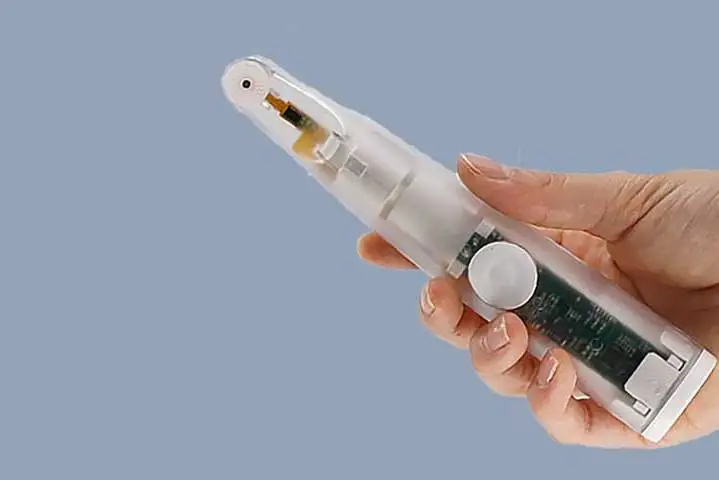
NuLids is an eyelid-care device designed to help clean and exfoliate the eyelid margins.
For appropriate patients, improving eyelid hygiene may form part of a broader treatment plan for conditions contributing to dry eye symptoms.

Contact lenses can sometimes contribute to dryness or become less comfortable when the eye surface is already irritated. Learn why discomfort happens and when it may be time to reassess your lenses.

Discover how blocked or poorly functioning meibomian glands can contribute to rapid tear evaporation, irritation, and other dry eye symptoms.

Gritty Eyes and Dry Eye Syndrome
When your tear film does not adequately lubricate the surface of your eyes, blinking can become uncomfortable and irritation may persist.

Explore how blepharitis affects the eyelids and why managing inflammation and eyelid hygiene can be important for improving ocular surface comfort.

Learn how TearCare is designed to address meibomian gland dysfunction and why healthy oil flow is important for maintaining a stable tear film.

Excess Screen Time Can Lead To Dry Eye
Long periods of screen use can affect blinking and eye comfort. Explore practical ways to reduce dryness during computer, phone, and tablet use.

Ocular Rosacea and Dry Eye
Rosacea can affect more than the skin. Learn how ocular rosacea may contribute to eyelid inflammation, irritation, and dry eye symptoms.

Vitamins and Foods That Relieve Dry Eye Syndrome
Learn about the relationship between nutrition and eye health and why dietary changes should be considered as one part of a broader dry eye management plan.

Lagophthalmos and Dry Eye
When the eyelids do not close completely, part of the eye surface can remain exposed. Learn how this can contribute to dryness, particularly during sleep.

Waking Up With Dry Eyes
Morning dryness can be associated with several factors, including overnight tear-film changes and incomplete eyelid closure. Learn what may be behind the symptoms.

Eye Drops for Dry Eyes: Why You Should See Your Eye Doctor
Not every eye drop works the same way. Learn why persistent dry eye symptoms may require an evaluation rather than simply trying another over-the-counter product.

Why Dry Eye Affects More Women Than Men
Hormonal changes and other factors can influence tear production and ocular surface health. Learn why dry eye may become more noticeable at certain times.

Aging and Dry Eyes
Tear production and tear quality can change with age. Learn why dry eye becomes more common over time and what can be done to manage symptoms.

Dry Eye After LASIK
Temporary dry eye symptoms can occur after refractive surgery. Learn why they happen and when persistent discomfort should be evaluated.

Digital Eye Strain and Dry Eye Syndrome
Extended screen use can reduce how often you blink, which may contribute to dryness and visual discomfort. Learn how screen habits and dry eye can overlap.

What Are Dry Eyelids?
Dry, irritated eyelids can have several causes. Learn what may contribute to eyelid dryness and when an eye evaluation may help.